A Plain Language Guide to Dry Pipe Sprinkler System Colorado Considerations for Cold Weather
@denvernfpaexplained131
Colorado winters have a way of finding weak spots in buildings. A loading dock door gets left open for twenty minutes. A rooftop mechanical room loses heat overnight. A warehouse corner near an exterior wall never quite warms up. In those moments, fire protection design stops being abstract and gets very practical.
That is why conversations about a dry pipe sprinkler system Colorado owners are considering usually start with one simple question: how do we protect the building from fire without creating a freezing problem of our own?
The plain language answer is that cold weather changes the way you think about sprinkler piping, testing schedules, monitoring, and coordination with the local authority having jurisdiction. It also changes how you budget for maintenance. A system that looks fine on paper can become troublesome if it is installed in the wrong environment, neglected during winter, or paired with unreliable alarm devices.
If you manage commercial property in Denver, Aurora, Lakewood, or nearby communities, it helps to see the whole picture. The sprinkler system is one part of a larger life safety framework that may also include fire alarm detectors and panels Denver facilities rely on, monitoring requirements, inspection intervals under NFPA 25, and testing practices under NFPA 72. Cold weather can expose the seams between those pieces.
Why cold weather pushes owners toward dry and preaction discussions
In heated office space, standard water-based sprinkler layouts are often straightforward to maintain. The challenge changes when pipes run through spaces that are hard to keep above freezing. Think parking structures, exterior canopies, dock areas, attic-like voids, or portions of older buildings with uneven heat.
That is where people start asking about a dry pipe sprinkler system Colorado buildings may need, or comparing it to a pre action sprinkler system Denver designers sometimes evaluate for more specialized spaces. The right choice depends on the use of the space, the local code path, and the building’s operating realities. A neat drawing set does not tell you whether a tenant props open receiving doors all January or whether a remodel created a cold dead zone above the ceiling.
The first practical lesson is this: cold weather design is never just about the lowest outdoor temperature. It is about the places inside and around the building where freezing can realistically occur. A room can be technically indoors and still behave like the outdoors from a sprinkler standpoint.
The second lesson is that Denver adopts the ICC family of codes with local amendments. That matters. Model code language is only the starting point. Local fire and building requirements can differ, so project assumptions should be confirmed with the fire marshal or other authority having jurisdiction before installation, retrofit, or major modification. Owners sometimes lose time and money when they plan around general national advice but skip the local review.
What a plain language owner should focus on
Most owners do not need to become sprinkler engineers. They do need enough understanding to ask good questions and spot trouble early.
A dry system conversation should usually cover these five points:
- Which spaces are truly at risk of freezing, not just occasionally chilly.
- How the system will be inspected, tested, and maintained under NFPA 25.
- How alarm signals will report, including any monitoring expectations.
- How the sprinkler system ties into the fire alarm system and notification chain.
- Whether local amendments or permitting steps add requirements beyond the base code.
That list sounds simple, but each item carries real consequences. I have seen projects where the sprinkler contractor focused on freeze exposure, the alarm contractor focused on signals, and the owner assumed someone else was handling the city side. Nobody was trying to cut corners. The problem was fragmented responsibility.
Dry pipe is only one part of freeze protection
People often use the phrase sprinkler freeze protection Colorado as if it refers to a single product or decision. It does not. Freeze protection is a strategy.
The strategy starts with the building envelope and heat management. If an owner can keep a space reliably above freezing, that changes the design conversation. If they cannot, then system selection becomes more critical. It also affects maintenance. A system in a borderline environment is more sensitive to doors left open, failed unit heaters, damaged insulation, and tenant behavior.
This is one reason experienced fire protection teams ask operational questions, not just code questions. Is the space staffed at night? Are there seasonal closures? Do delivery schedules keep overhead doors cycling open in subfreezing weather? Has the building had prior freeze events? Those answers shape risk in the real world.
For some facilities, a pre action sprinkler system Denver project may come up during planning because the owner wants tighter control in a sensitive area. In other cases, dry pipe discussion is more about practical freeze exposure than asset sensitivity. The point is not that one approach is universally better. The point is that cold weather conditions should be assessed honestly, with local review and a maintenance plan that matches the chosen system.
Why inspection frequency matters more than many owners expect
A lot of fire protection trouble is not caused by bad equipment. It is caused by good equipment that was not inspected, tested, or maintained on schedule.
NFPA 25 is the core standard for inspection, testing, and maintenance of water-based fire protection systems. It sets minimum frequencies for many tasks, and those frequencies are not all annual. Depending on the task, the calendar may include monthly, quarterly, semiannual, annual, and multi-year work. That means a building cannot rely on a once-a-year service call and assume everything is covered.
This catches owners off guard all the time. They ask about fire sprinkler inspection frequency Colorado requirements as if there is one date to circle on the calendar. In reality, a responsible program is layered. Some checks happen often, some seasonally, some annually, and some less frequently but still on a fixed cycle.
Cold weather makes this more than an administrative issue. If your property enters winter with unresolved deficiencies, unreliable heat in vulnerable spaces, or poor communication between trades, your risk increases exactly when conditions are least forgiving.
NFPA 25 also matters because inspection and testing often reveal out-of-compliance conditions that were easy to miss during normal operations. A valve issue, a supervisory problem, or a physical condition in the field may sit quietly until a test or an impairment exposes it. That is not a reason to fear inspection. It is the reason inspection exists.
The sprinkler system and the fire alarm system have to work together
Owners sometimes think of sprinklers as one contract and alarms as another. On paper, that may be true. In an emergency, they function as one life safety story.
NFPA 72 covers fire alarm and signaling system design, inspection, testing, and maintenance, including monitoring and emergency communications functions. If your building includes sprinkler supervision, waterflow reporting, or related alarm functions, the alarm side is not optional background noise. It is how the system communicates trouble and emergency conditions.
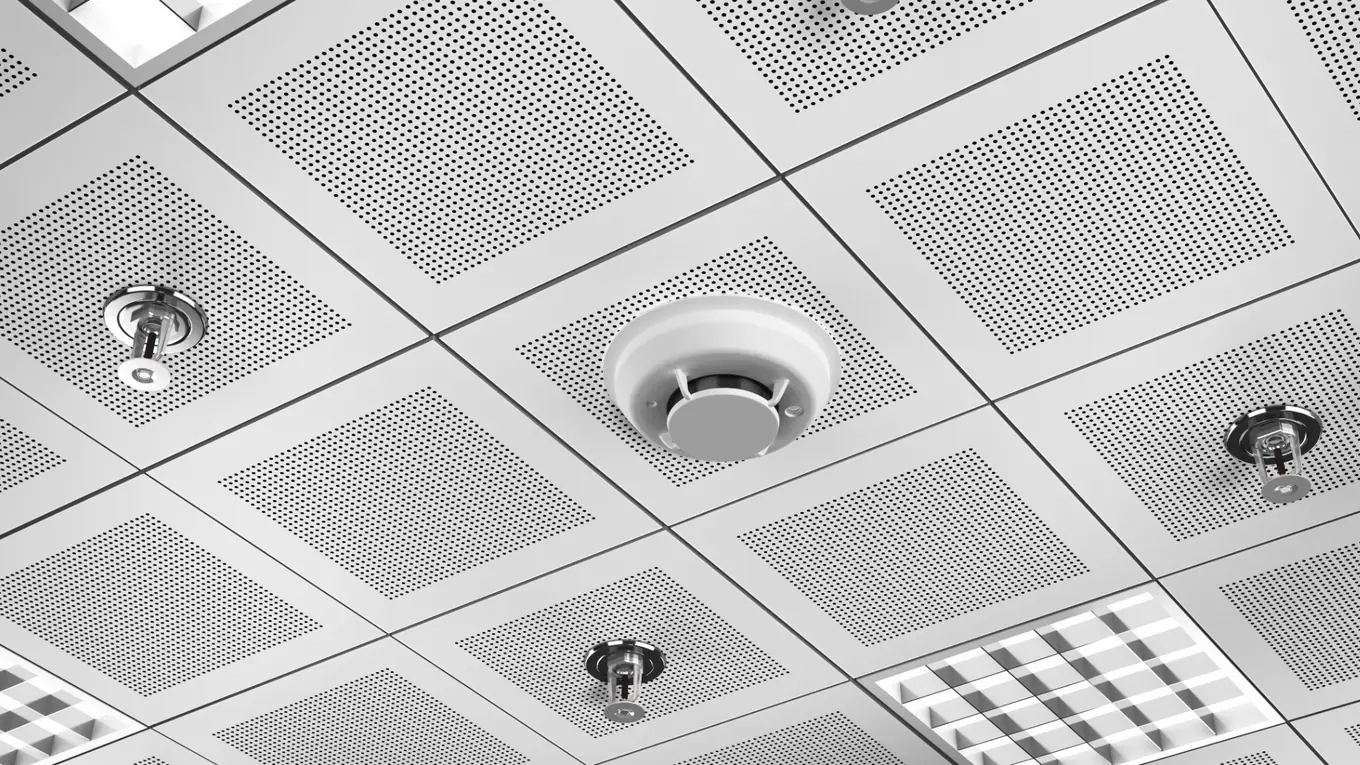
That is why discussions about fire alarm detectors and panels Denver buildings use should not be separate from sprinkler planning. If a sprinkler-related signal occurs in cold weather, the reporting path matters. If there is a trouble condition, the panel and monitoring chain matter. If there are recurring nuisance conditions, the owner needs to know about them and correct them before winter magnifies the issue.
Denver’s code framework also includes local amendments related to false alarms and problematic systems. Repeated unintentional fire alarm false alarms Denver properties generate can trigger consequences, including repair or replacement expectations for troublesome systems and reimbursement for some responses. This is one of those issues owners tend to underestimate until they have a problem.
False alarms are not just an annoyance. They can erode confidence, disrupt tenants, and mask real deficiencies. In a cold-weather context, a recurring trouble signal or intermittent device issue should never be brushed off as seasonal inconvenience. It needs diagnosis.
Monitoring is not a minor afterthought
Some buildings in Denver require certain fire alarm or emergency communication devices to transmit to a central station, commercial monitoring service, or continuously staffed monitoring service, depending on the application. That means monitoring expectations can be part of compliance, not simply an owner preference.
If your property team is discussing fire alarm monitoring Aurora CO arrangements or similar services elsewhere in the metro area, the key point is to align the monitoring approach with the actual code path and building use. Monitoring is especially important when facilities are lightly staffed after hours, which is common during winter holidays or overnight industrial operations.
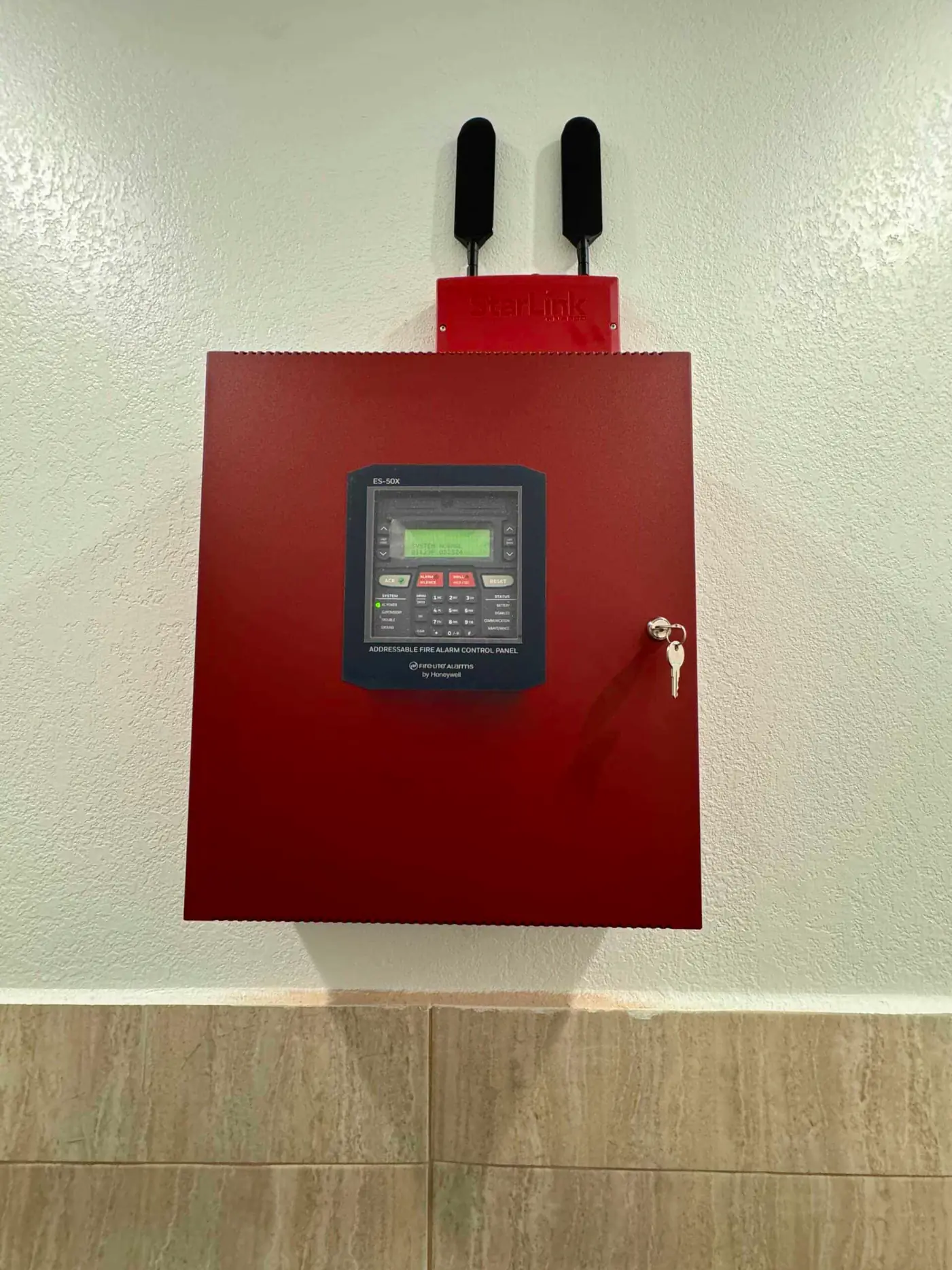
A common weak point is assuming the installer, the monitoring provider, and building management all share the same understanding of who responds to what signal. They often do not. The owner should know which conditions transmit, where they transmit, and who is responsible for action when a supervisory or trouble event appears during a freeze.
Denver and local amendments can change the practical answer
One of the biggest mistakes in fire protection planning is treating all Colorado jurisdictions as interchangeable. They are not.
Denver adopts model codes with local amendments. Other jurisdictions may have their own enforcement practices, review timelines, and local interpretations. If your project sits near city boundaries or involves multiple facilities in different municipalities, do not assume one approved approach drops neatly into another location.
This comes up with permitting, field modifications, and phased tenant improvements. A team might be ready to move fast, only to find that local review expectations require more coordination than expected. The same applies to related regulated work. Colorado and Denver materials show that local fire authorities can require permits and inspections for hazardous materials and other regulated fire safety work. If the facility handles special hazards, kitchen operations, fuel storage, or sensitive equipment spaces, that review burden can widen.
From a scheduling standpoint, owners should build authority review into the timeline early. That is true whether you are installing new protection, changing occupancy, renovating a cold storage area, or trying to obtain fire system certification Denver documentation tied to a lease, insurance request, or occupancy milestone.
Cold weather exposes weak maintenance habits
If I had to name the most common owner-side problem, it would be optimistic assumptions. People assume someone else checked the heat trace. They assume the inspection covered all frequencies. They assume the alarm trouble from last month was resolved. They assume the riser room heater will keep running because it did last winter.
Buildings do not reward that kind of optimism.
A better approach is to treat fall as preparation season. Before freezing weather settles in, confirm that the fire protection team has a current schedule under NFPA 25, that the fire alarm testing program reflects NFPA 72 expectations, and that any known deficiencies are actively being repaired. If your site has recurring service issues, press for closure before the holidays. Service becomes harder to schedule when every property manager in town notices the same cold snap.
These are the kinds of questions worth asking before winter:
- Which spaces on this property have the greatest freeze exposure?
- What inspection and testing tasks are due this season under NFPA 25 and NFPA 72?
- Are there any open deficiencies, impairments, or recurring alarm troubles right now?
- Does our monitoring path match the current system configuration and occupancy?
- Have local code amendments or permit requirements changed the scope of work?
That five-question check can save a surprising amount of money and confusion.
How other fire systems fit into the picture
Cold weather buildings rarely rely on one protection method alone. A mixed-use property may have sprinklers in common areas, a kitchen suppression system for a restaurant tenant, separate alarm devices throughout, and perhaps special hazard protection in an electrical or equipment room.
That broader view matters because owners sometimes fixate on the phrase dry pipe sprinkler system Colorado and miss the rest of the fire protection ecosystem.
Take a restaurant tenant, for example. Commercial kitchen fire suppression Denver requirements are a different lane from general sprinkler protection, but the systems may still affect inspection scheduling, impairment coordination, and authority interaction. A winter remodel that touches one fire system can easily trigger review of related systems or alarm functions.
The same is true for clean agent fire suppression Colorado applications in rooms where water discharge would create a different kind of loss. While those systems are distinct from water-based sprinklers, they still live inside the same operational reality of permits, testing, monitoring, and owner responsibility. If a facility contains multiple suppression types, coordination matters more than ever.
Certification, documentation, and the inspection paper trail
Owners often ask for fire system certification Denver paperwork when a lease starts, a lender asks questions, or a property sale is underway. The difficult part is that documentation is only as good as the underlying maintenance history.
If inspection intervals have been missed, if alarm testing records are incomplete, or if field conditions do not match the drawings, paperwork becomes a scramble. The better practice is to keep a clean, current record throughout the year. That includes service reports, deficiency notices, test records, impairment records, and evidence that corrective work was completed.
This is where a routine fire safety inspection Lakewood CO property managers schedule, or its equivalent in any other jurisdiction, becomes more than a box-checking exercise. Good inspections create a factual baseline. They help owners answer simple but important questions: What do we actually have, what condition is it in, and what must happen next?
A solid paper trail also makes authority conversations easier. When local officials ask about system status, prior deficiencies, or testing history, organized records show that the owner is engaged and responsible. That tone matters.
The budget side nobody loves talking about
Dry and cold-weather protection choices affect operating cost, not just installation cost. Even without getting into design specifics, it is fair to say that systems in freeze-prone environments demand disciplined maintenance and clear accountability. That means service contracts, inspections at the correct frequencies, prompt repair of deficiencies, and reliable alarm testing.
Some owners try to economize by delaying corrective work until spring. That can backfire. A deferred problem in October can become an emergency call in January, and emergency calls rarely cost less. More importantly, delayed repairs can leave the building exposed when weather is worst.
A sensible budget for a Colorado property should account for routine NFPA 25 inspection Colorado work, NFPA 72 fire alarm testing Denver service expectations, monitoring costs where applicable, and https://denversuppressionsystems408.sagecurrent.com/posts/fire-watch-basics-for-denver-metro-properties-during-fire-protection-system-outages a reserve for deficiency correction. None of that feels glamorous, but it is usually cheaper than disruptions caused by freeze damage, repeated false alarms, or failed inspections.
The practical takeaway for owners and managers
If you remember only one thing, remember this: cold weather fire protection is not just about picking the right system type. It is about matching the system to real freeze exposure, local code requirements, and a maintenance program that holds up under pressure.
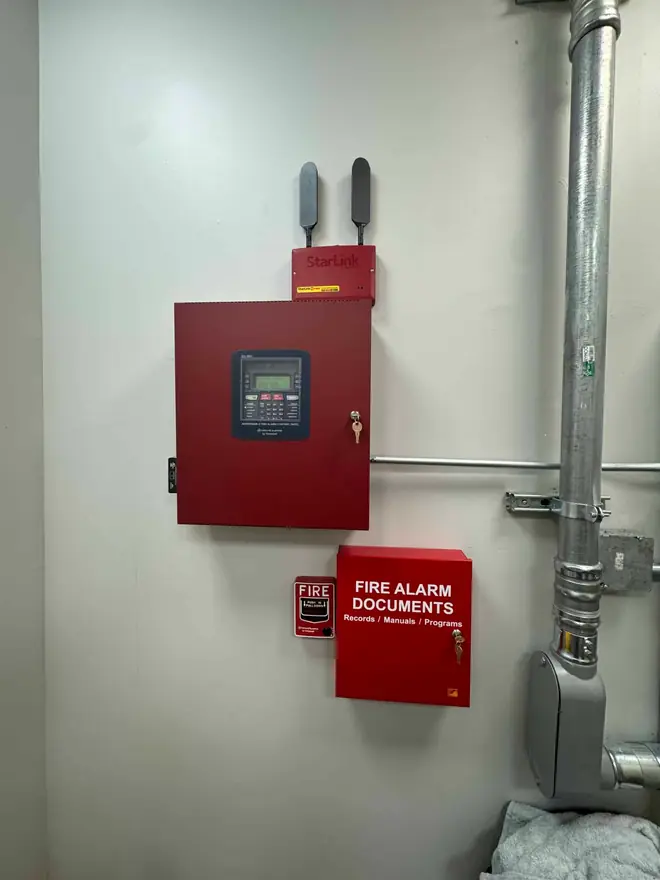
For a dry pipe sprinkler system Colorado property owners are evaluating, the smartest move is usually an early, honest review of the building conditions, followed by coordination among the sprinkler contractor, alarm provider, management team, and local authority having jurisdiction. If a pre action sprinkler system Denver option is also on the table, compare it in the context of the space, not just the spec sheet.
Then stay disciplined. Follow NFPA 25 for the water-based system, follow NFPA 72 for the alarm side, confirm monitoring obligations, and take nuisance alarm activity seriously before it becomes a code or operational problem. Denver’s local amendments make clear that problematic alarm systems and repeated false alarms are not issues to ignore.
Buildings in Colorado do not need perfection. They do need attention. Winter is hard on equipment, hard on schedules, and hard on assumptions. A well-managed fire protection program acknowledges that, plans for it, and keeps the basics strong long before the first deep freeze arrives.