How Fire Protection Records Can Support Occupancy and Continuity Planning
@denvernfpaexplained131
A lot of building teams think of fire protection records as paperwork you keep to satisfy an inspector, then file away until next year. In practice, those records do much more than prove a box was checked. They shape whether a space can stay occupied, how quickly a tenant can reopen after an interruption, and how confidently an owner can plan for seasonal risks, staffing changes, and capital upgrades.

That becomes especially clear in Colorado, where conditions and occupancy patterns can put real stress on systems. Cold weather raises obvious concerns around sprinkler freeze protection Colorado property managers deal with every winter. Mixed-use spaces can have very different hazards under one roof. A restaurant tenant may need commercial kitchen fire suppression Denver code officials expect to be maintained and documented properly, while a nearby server room may depend on clean agent fire suppression Colorado facilities use to protect electronics and avoid water damage. Those systems all support life safety, but they also support continuity. If records are thin, late, or inconsistent, continuity planning gets fuzzy very fast.
The key idea is simple. Good records turn a fire protection system from something you hope will work into something you can plan around.
Records are not just compliance artifacts
When a building owner asks whether a floor can be occupied during a renovation, or whether a tenant can stay open while a deficiency is corrected, the answer often depends less on opinion and more on documentation. What system is installed? When was it last tested? Were deficiencies found? Were they corrected? Is there an impairment in place right now? If a device has been giving trouble, is it a one-time nuisance or part of a repeating pattern?
Without records, those questions become guesses. With records, they become manageable decisions.
This is where standards matter. NFPA 25 sets the main framework for inspection, testing, and maintenance of water-based fire protection systems. It establishes minimum frequencies for many tasks, and those tasks do not all happen on the same schedule. Some checks are monthly, some quarterly, some semiannual, some annual, and some stretch into multi-year intervals. If you have ever tried to reconstruct the condition of a sprinkler system from memory, you already know why the paperwork matters. A dry pipe valve trip test that was done last season may be highly relevant to this season’s occupancy plan, especially in a facility relying on a dry pipe sprinkler system Colorado owners choose for unheated or cold-exposed areas.
The same logic applies to alarm systems. NFPA 72 addresses fire alarm and signaling system design, inspection, testing, maintenance, and monitoring functions. For continuity planning, that means records from NFPA 72 fire alarm testing Denver building teams schedule are not merely technical forms. They tell you whether initiating devices, notification appliances, panel functions, and monitoring pathways are being checked in a way that supports reliable operation.
When those records are organized well, they help answer a question every owner eventually faces: if something goes wrong on a Tuesday morning, what can stay open, what must be restricted, and what needs immediate attention?
Occupancy decisions often rise or fall on documentation
Occupancy is not just a lease issue or a business issue. It is a life safety issue, and local code enforcement plays a direct role. In Denver, the adopted code framework includes the International Code Council suite with local amendments, which means project requirements can differ from the base model code. That matters for planning because many teams assume a national standard tells the whole story. It does not. The authority having jurisdiction may have local expectations that affect both the work itself and the records you need to keep.
A practical example is tenant improvement work. A building may have a functioning sprinkler system and a fire alarm system that has historically performed well. Then a new layout, new partitions, a new kitchen line, or new storage use changes the fire protection picture. At that point, continuity planning depends on more than “the system passed last year.” You need records that show what was in place before the change, what modifications were made, what tests followed the work, and whether any temporary impairments occurred during construction. If those pieces are missing, the building team is left trying to justify occupancy based on incomplete information.
This is especially common when people look only at the certificate on the wall and ignore the service history behind it. A fire system certification Denver facility managers keep on file has value, but continuity planning usually requires the underlying test and deficiency records too. A certificate may indicate a status at one point in time. The inspection reports show the trend.
Trends matter. A single failed device that was repaired quickly may not threaten occupancy planning much. Repeated issues in the same zone, repeated low air pressure troubles on a sprinkler system, or recurring supervisory conditions can point to a deeper reliability problem. Those are the patterns records reveal.
The systems that most often influence continuity planning
Some buildings have straightforward wet sprinkler systems and a standard fire alarm panel. Others have more specialized protection tied to their occupancy, climate, or operational needs. In continuity planning, these differences matter because records for one type of system do not tell you enough about the next one.
A pre action sprinkler system Denver facilities sometimes install for water-sensitive areas is a good example. The continuity concern there is not simply whether sprinklers exist. It is whether the releasing logic, detection interface, valve arrangement, and testing history support confidence in operation without unnecessary discharge risk. In a records review, you want to see consistent testing and a clear understanding of any deficiencies that could affect release or supervisory functions.
Cold-weather environments create another set of questions. With a dry pipe sprinkler system Colorado buildings may use in parking structures, loading zones, or other freeze-prone spaces, records help show whether the system has been maintained in a condition that supports timely operation. NFPA 25 exists for exactly this reason. Water-based systems are expected to discharge when sprinklers open under fire conditions, and maintenance findings often uncover out-of-compliance conditions that would not be obvious during daily occupancy. If a continuity plan assumes an area can stay in service because “it has sprinklers,” but records show unresolved deficiencies, that plan is weaker than it looks.
Alarm documentation also carries more weight than many teams realize. Records https://frontrangealarminsights055.evercolumn.com/posts/common-fire-code-compliance-denver-issues-that-property-owners-can-help-prevent-2 covering fire alarm detectors and panels Denver buildings rely on can tell you whether a trouble condition is isolated or part of a broader reliability problem. They also support decision-making when there have been nuisance events. Denver’s code amendments specifically address problematic systems and repeated unintentional alarms, including repair or replacement when false alarms repeat, along with reimbursement for some false alarm responses. So if a property has a history of fire alarm false alarms Denver enforcement has already flagged, that is not only a nuisance issue. It can affect occupancy confidence, tenant relations, and continuity planning during busy business hours.
Monitoring records matter too. Denver code requires certain fire alarm or emergency communication devices to transmit to a central station, commercial monitoring service, or continuously staffed monitoring service, depending on the application. That means fire alarm monitoring Aurora CO property teams arrange is not simply a back-office contract matter. It is part of how emergency signals move off site and how continuity planning accounts for alarm response, after-hours notification, and trouble escalation.
Why continuity planning gets better when records are complete
Continuity planning is really the art of reducing uncertainty. Fire protection records reduce uncertainty in four ways. They confirm what systems are present, show whether scheduled inspection and testing occurred, document deficiencies and corrective actions, and reveal timing issues that could interfere with occupancy.
Think about the difference between these two situations.
In the first, a property manager knows the annual sprinkler inspection happened “sometime last spring,” remembers that one alarm device was replaced, and assumes everything else is fine. Then a tenant asks for overnight work in a normally occupied suite. No one is quite sure whether that work will affect detection, whether monitoring needs a special notice, or whether a prior deficiency in that area was ever cleared.
In the second, the manager can pull recent NFPA 25 inspection Colorado records, alarm testing records, impairment notes, and monitoring contacts in minutes. The team sees the last service date, the deficiency that was corrected, the affected devices, and the restoration notes. Overnight work still requires planning, but the decision is based on evidence, not recollection.
That difference is what keeps a small event from turning into a prolonged shutdown.
The records worth keeping close at hand
Most organizations keep too much paper in too many places, but too little of the right paper where decisions are made. For occupancy and continuity planning, the most useful records are usually these:
- inspection, testing, and maintenance reports for sprinkler, alarm, and suppression systems
- deficiency logs showing what was found, when it was corrected, and what remains open
- impairment and restoration records, especially for planned work or emergency outages
- monitoring contact details, signal routing information, and after-hours escalation notes
- permits, approvals, or local authority correspondence tied to regulated work or changes in use
Those five categories do a lot of heavy lifting. They let operations, facilities, safety personnel, and outside vendors work from the same facts. They also help when a property changes hands or a new facility manager inherits the building.
One thing I have seen repeatedly is the gap between service reports and operational planning. The technician may have done the work properly. The report may exist. But if it lives only in an email chain or a vendor portal no one checks, the building team still operates in the dark. Records support continuity only when they are accessible and understandable.
Frequency matters more than memory
One of the biggest mistakes in continuity planning is treating all fire protection tasks as annual events. They are not. NFPA 25 includes monthly, quarterly, semiannual, annual, and multi-year activities. That means fire sprinkler inspection frequency Colorado owners need to manage is not a single calendar reminder. It is a service rhythm.
That rhythm is especially important for buildings with multiple system types. A property with wet sprinklers in heated offices, dry systems in cold loading areas, kitchen suppression in tenant restaurant space, and monitored fire alarms across all occupancies will have overlapping schedules and different vendors in some cases. If you only look at the annual report, you may miss whether quarterly checks are slipping or whether an open deficiency has sat through two inspection cycles.
The practical continuity risk is delay. A deficiency discovered in January but not resolved until April can affect insurance conversations, occupancy decisions during tenant build-outs, and emergency planning during peak season. Complete records expose those delays early.
The same is true for alarm testing. NFPA 72 fire alarm testing Denver sites perform should not be thought of as a once-a-year interruption everyone tolerates. It is a source of intelligence. If detector contamination, panel troubles, communication faults, or recurring device failures are showing up in records, continuity planners can act before those problems become after-hours incidents or code headaches.
False alarms are a continuity problem, not just an annoyance
People tend to underestimate how disruptive false alarms can be. They interrupt production, clear buildings, create tenant fatigue, and sometimes train occupants to respond poorly when a real event occurs. In Denver, repeated unintentional alarms can lead to more than eye rolling. Local amendments address problematic systems, including repair or replacement when false alarms repeat, and some false alarm responses can trigger reimbursement.
From a continuity standpoint, that makes records essential. If your alarm history shows repeated activations from a specific detector type, area, or environmental condition, the continuity question is not “can we live with it a bit longer?” The better question is “what does this pattern tell us about reliability, and how will it affect occupancy if we ignore it?”
A building with recurring false alarms near a loading dock, for example, may have an operational issue, an environmental issue, or a device placement issue. The records themselves may not resolve the cause, but they show whether the event is isolated or systemic. That allows a much better response than simply resetting the panel and moving on.
Here is where records often provide the first warning signs:
- the same device or zone appears repeatedly in service notes
- multiple false alarm events cluster around weather changes or occupancy changes
- trouble and supervisory signals increase after tenant work or equipment replacement
- corrective actions are vague, delayed, or repeated without a lasting fix
- monitoring logs and onsite logs tell slightly different stories
When you see those patterns, continuity planning should tighten up. That may mean scheduling additional review, confirming local requirements with the authority having jurisdiction, or adjusting occupancy assumptions until the problem is truly resolved.
Seasonal planning in Colorado needs system history
Colorado weather introduces practical concerns that should shape how records are reviewed. Freeze exposure is the obvious one. If a building relies on dry or other cold-weather protection strategies, the winter continuity plan should not start with weather forecasts. It should start with the service history.
Has the freeze-prone area shown recurring low air supervisory signals? Were any valve components repaired recently? Was there prior concern about heat in a vestibule, dock, canopy, or parking area? Even if a site has sound sprinkler freeze protection Colorado operators prefer, records still tell you whether the protection has been stable over time.
That matters because occupancy plans often stretch buildings in winter. Holiday staffing, changed delivery schedules, and after-hours occupancy can all put more pressure on systems and response procedures. Good records give teams confidence about where they are strong and where they should be cautious.
Specialized occupancies need specialized record review
Not every occupancy carries the same continuity risk. A small office suite may be able to tolerate limited work or temporary restrictions differently than a facility with critical equipment, a restaurant, or a high-turnover public environment.
Take a commercial kitchen. Commercial kitchen fire suppression Denver businesses depend on protects a specific hazard with a different maintenance and operational profile than general building sprinklers. If a kitchen tenant has suppression service records, hood work notes, and alarm interface documentation all aligned, the building team can make clearer occupancy calls during maintenance or renovations. If those records are fragmented, even minor work can turn into a scheduling mess.
Data or telecom rooms raise a different issue. Where clean agent fire suppression Colorado users rely on has a role, records help continuity planners understand whether the system has been maintained in a way that supports protection of sensitive contents without needless downtime. Again, the point is not to pile up documents. The point is to preserve decision-quality information.
Local review should be built into the schedule, not treated as a surprise
Another place records support continuity is in dealings with local authorities. Denver adopts model codes with local amendments, and Colorado and Denver materials show that permits and inspections may be required for certain regulated work, including some hazardous materials activities. That means continuity planning should account for authority review and scheduling as part of the project timeline.
A lot of avoidable occupancy delays come from treating permits, inspections, and approvals as late-stage administrative tasks. They are operational tasks. If a project touches alarm systems, sprinkler systems, monitored functions, or regulated hazards, the records trail should be ready before someone asks for it. That can include prior test reports, deficiency closure notes, and any correspondence relevant to the scope.
This is especially useful when preparing for a fire safety inspection Lakewood CO or elsewhere in the metro area, because local expectations can vary. Even when the technical systems are similar, the path to approval and the preferred documentation may differ by jurisdiction. Confirming those requirements early with the local fire marshal or authority having jurisdiction saves time and avoids awkward last-minute explanations.
Turning records into a usable continuity tool
The best fire protection record set is not the biggest one. It is the one people can use during pressure. That usually means organizing records by system, by location, and by date, then tying them to a simple service calendar that reflects actual required intervals rather than broad annual reminders.
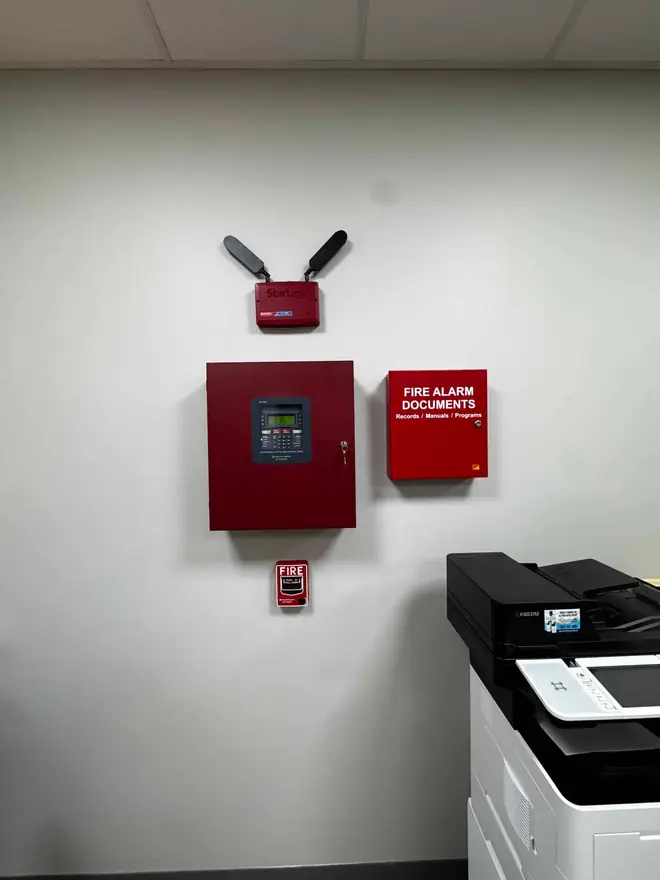
It also means separating open deficiencies from closed ones. I have seen many binders full of reports that look impressive until someone tries to answer one plain question: what is currently unresolved? If the answer takes twenty minutes and three phone calls, the records are not doing their job.
A useful continuity mindset is to review records the way an unfamiliar but competent person would. If a new facility manager walked in tomorrow, could they tell which systems protect which spaces, when the last required work occurred, whether monitoring is in place where needed, and what issues still need action? If not, occupancy planning is depending too much on tribal knowledge.
That is where disciplined documentation pays off. It shortens outage decisions, improves communication with tenants, supports local review, and gives the organization a more realistic picture of risk. It also helps during transitions, whether that is a property sale, a major remodel, a staffing change, or a response to an actual incident.
Fire protection systems are installed to perform when conditions are at their worst. The records behind those systems should be good enough to support decisions before conditions get there. When they are, occupancy planning gets sharper, continuity plans become more credible, and the building team is far less likely to be surprised by a problem that had been sitting quietly in the paperwork all along.